
OCD (obsessive–compulsive disorder)
OCD / वहम की बीमारी
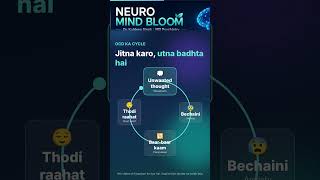
In OCD, unwanted thoughts or doubts (obsessions) cause intense anxiety, and the person repeats actions (compulsions) to feel relief — which keeps the cycle going.
People with OCD usually know the thoughts are excessive but feel unable to stop. It is a medical condition, not a habit or 'overthinking'.
Medically reviewed by Dr. Kuldeep Budania, MBBS, MD Psychiatry
Common symptoms
- Fear of dirt, germs or impurity; repeated washing or bathing
- Repeated checking of locks, gas, switches or messages
- Unwanted religious, sexual or violent thoughts that cause guilt
- Need for order, symmetry or doing things 'just right'
- Counting, repeating words or prayers to cancel bad thoughts
- Asking family for reassurance again and again
- Spending more than an hour a day on these thoughts or actions
Causes
- Differences in brain circuits that control doubt and habits
- Genetic and family factors
- Stress often worsens symptoms; sometimes starts after childbirth or illness
Risk factors
- OCD or tics in the family
- Onset in childhood or teenage years is common
- Stressful events, pregnancy or after childbirth can trigger or worsen symptoms
How it is diagnosed
- Identifying obsessions (unwanted repeated thoughts) and compulsions (repeated acts to reduce anxiety)
- Measuring time taken, distress and impact on daily life
- Checking for depression, tics and related problems like body dysmorphic disorder
Classification: ICD-10 F42 · ICD-11 6B20
Treatment options
- 1Exposure and Response Prevention (ERP) — the most effective therapy for OCD
- 2Antidepressant medicines, often at higher doses and for longer than in depression
- 3Guiding family to stop giving reassurance or joining rituals
- 4Treating associated depression or anxiety
Psychotherapy and counselling
- Exposure and response prevention (ERP): facing the trigger without doing the compulsion — the most effective therapy for OCD
- Cognitive therapy for exaggerated responsibility and doubt
Guidance for family
- Do not take part in rituals (extra washing, checking for them, repeated reassurance)
- Reduce your involvement gradually and agree on it with the therapist, not suddenly
- Separate the person from the illness — the thoughts are not their wishes
When to see a psychiatrist
- Rituals take a lot of time or delay daily work
- Family life is affected by the rituals
- Thoughts cause severe guilt or distress
Thoughts of self-harm or a medical emergency? Call Tele-MANAS 14416 (24×7, free) or 112.
Free self-assessment
A short screening in Hindi or English. Private — nothing is saved. Screening does not establish a diagnosis.
Frequently asked questions
Can OCD be cured?
Most people improve a lot with ERP and medicines, and many become symptom-free. Some need longer treatment to stay well.
Do bad thoughts mean I am a bad person?
No. OCD thoughts are unwanted and go against your values — that is why they upset you. They do not mean you will act on them.
Is there an OCD self-check?
Yes, our free clinic checklist in Hindi and English helps you decide whether to consult.
Related conditions
Related articles
- Antidepressant myths and factsDo antidepressants cause addiction? Will they change my personality? Common myths answered simply, so you can make an informed choice with your doctor.Read →
- Overthinking: why it happens and how to stop the loopReplaying conversations, imagining worst cases, unable to switch off at night? Evidence-based techniques to manage overthinking.Read →
- Health anxiety: when searching symptoms online makes it worseChecking symptoms online, repeated tests and constant fear of serious illness? How health anxiety works and how to break the cycle.Read →
- Intrusive thoughts in OCD: why they feel so realDisturbing thoughts of harm, sex or religion that go against your values? They are common in OCD and do not mean you will act on them.Read →


Help is available — confidential, in Hindi or English.
Private video consultation from anywhere in India with an Ajmer-based psychiatrist. Psychiatry consultation ₹500.
This page is for education and does not replace a personal consultation. Do not start or stop any medicine without a doctor's advice.